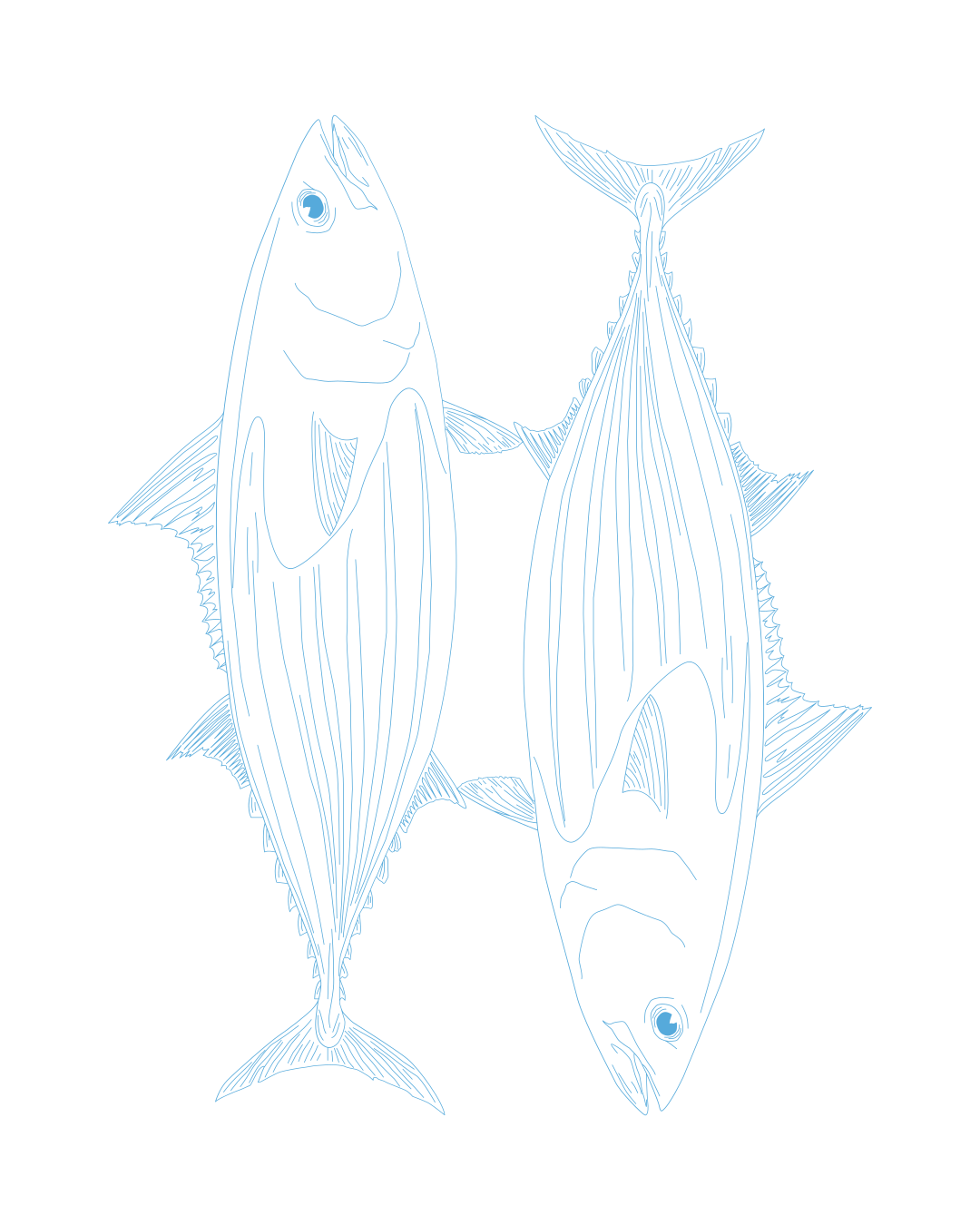



Why Pacific Northwest Albacore Is Different
Pacific Northwest albacore is shaped by geography, migration, and method. Moving through colder Pacific currents, this species develops a firm texture and balanced fat composition that distinguish it from tuna harvested in warmer waters. When caught using hook-and-line methods within regulated fisheries, Pacific albacore reflects both environmental rhythm and disciplined harvesting. The difference is not branding — it begins in the water.
Geography Shapes the Fish
Albacore are migratory fish. Their movement through ocean currents influences both muscle density and fat development. In the Pacific Northwest, colder waters create conditions that contribute to a firmer texture and a clean, structured flake.
Cold water requires more sustained movement. That movement builds muscle. Muscle density influences texture. Texture influences how the fish performs once harvested and prepared.
This is why Pacific albacore often feels more structuredthan tuna sourced from warmer regions. The environment plays a measurable rolein the fish’s physical characteristics.
Geography is not aesthetic. It is biological.
Migration Patterns Matter
Pacific Northwest albacore follow seasonal migration routesalong the West Coast. Fisheries align harvesting windows with these migration patterns, operating within specific timeframes rather than year-round extraction.
Seasonality introduces natural limits. It prevents continuous pressure on the species and aligns harvest timing with population management frameworks established by international regulatory bodies.
Fishing within migratory rhythm reinforces long-term stability. It also contributes to the consistency of the fish itself. Harvesting during defined windows supports quality control and traceability.
Movement, timing, and regulation intersect.
A Tradition of Hook-and-Line Fishing
Pacific Northwest albacore fisheries have long relied on hook-and-line methods. This approach allows fish to be caught individually, reducing bycatch and preserving structural integrity.
Hook-and-line fishing complements the migratory patterns of albacore. Rather than sweeping entire schools with large nets, vessels track movement and harvest selectively.
That selectivity has two outcomes. It reduces unintended ecosystem disruption, and it supports immediate handling of each fish once brought aboard. Immediate handling preserves texture, color, and overall quality.
Method reinforces geography.
Texture and Flavor Profile
Pacific albacore is known for its firm loins and defined flakes. When prepared simply, whether salted or gently smoked, the structure remains intact rather than breaking down into softer fragments.
The flavor profile tends to be clean and mild, with natural richness derived from balanced fat composition rather than heaviness. This balance allows Pacific albacore to function as a protein centerpiece withoutr equiring excessive seasoning or modification.
Texture is often the first noticeable difference. Flavor follows.
These attributes are not marketing inventions. They are physical expressions of environment and movement.
Regulatory Oversight and Stock Health
Pacific albacore fisheries operate within internationally monitored management systems. Quotas, seasonal controls, and reporting requirements are designed to maintain stock health over time.
The Pacific Northwest industry works within those frameworks, adjusting harvest volumes and timing based on scientific assessment.
Regulation alone does not guarantee quality, but it supports stability. Stability supports long-term availability.
Sustainable harvesting depends on both science and compliance.
Community and Coastal Identity
The Pacific Northwest has a long-standing relationship with ocean harvesting. Ports along Washington and Oregon have supported albacore fleets for generations. While the industry has modernized, the connection between coastal communities and seasonal fisheries remains present.
This does not imply that other regions lack tradition. It does suggest that Pacific Northwest albacore exists within a cultural framework that values both stewardship and continuity.
Fishing communities operate within ecosystems they dependon. Long-term thinking is practical, not abstract.
Where Hook'd Fits In
Hookd Foods sources wild Pacific albacore aligned with this geography and method. The focus remains on hook-and-line caught fish harvested within regulated Pacific waters.
By centering sourcing in the Pacific Northwest, Hookd aligns with migratory rhythm, seasonal harvesting, and established management systems. The resulting albacore reflects that discipline in both structure andnutritional balance.
Pacific Northwest is not used as decoration. It defines origin.
The Bottom Line
Pacific Northwest albacore is different because the environment that shapes it is different. Colder waters, seasonal migration, hook-and-line harvesting, and regulated fisheries combine to influence texture, fat composition, and long-term stock health.
The distinction is not about superiority. It is about specificity.
When geography, method, and management align, the result isfish that carries the imprint of where it came from.
FAQ
What makes Pacific Northwest albacore different from otheralbacore?
Colder waters, seasonal migration patterns, and hook-and-line harvesting contribute to firmer texture and balanced fat composition.
Is Pacific albacore sustainably managed?
Pacific albacore fisheries operate within regulated international management systems designed to monitor stock health and maintain long-term stability.
Does colder water affect tuna quality?
Colder water influences muscle development and fat distribution, which can affect texture and overall structure.

HAVE A QUESTION?
We’re here. Ask away.