


What Makes Albacore Tuna Different From Other Tuna?
Albacore tuna is different from other types of tuna because of its texture, flavor, fat composition, and nutritional profile. Known for its firm, steak-like meat and naturally higher omega-3 content, albacore offers a cleaner taste and a more substantial bite compared to skipjack or yellowfin. Wild-caught Pacific albacore in particular is prized for its purity and structure. For those seeking a high-protein, omega-rich seafood option, albacore stands in a category of its own.
Not All Tuna Is the Same
“Tuna” is often treated as a single category. In reality, it’s a family of species with distinct biological, culinary, and nutritional differences.
When most people think of canned tuna, they are usually consuming skipjack. It’s smaller, softer in texture, and more abundant globally. Albacore is a different species entirely.
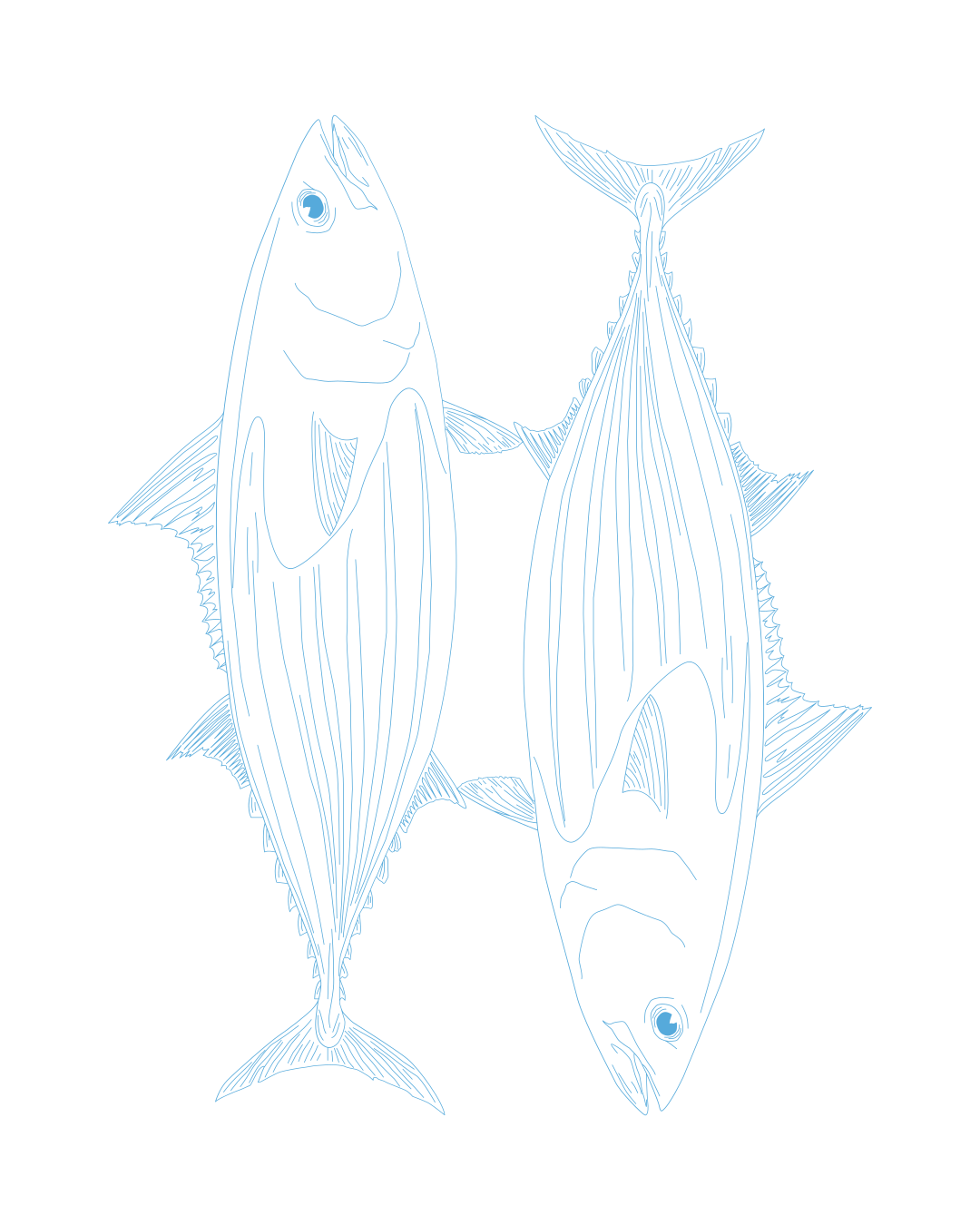
Albacore is scientifically known as Albacore (Thunnus alalunga). It is larger than skipjack, migratory, and typically harvested in colder Pacific waters. That environment shapes both its muscle structure and fat composition.
The result? A fish that behaves less like “canned tuna” and more like a compact seafood steak.
Texture: Firmer, Cleaner, More Structured
Albacore has a firmer, steak-like texture compared to other tuna species.
Albacore’s muscle fibers are denser. When properly handled and packed, the meat holds together in defined flakes rather than breaking into soft shreds. This matters in two ways:
- It feels more substantial on the palate.
- It performs better in elevated dishes.
Where skipjack tends to blend into mayonnaise-based salads, albacore can stand on its own — lightly dressed, sliced, or served warm.
The difference is immediately noticeable when the fish is minimally processed and handled with care. Wild Pacific albacore in particular develops a clean, structured flake that feels intentional rather than incidental.
Flavor: Mild but Distinct
Albacore has a mild, clean flavor with subtle richness.
Skipjack has a stronger, more “fish-forward” taste. Yellowfin tends to sit somewhere in between. Albacore’s flavor is often described as clean, slightly buttery, mild but not bland, and less metallic. That mildness is one reason chefs favor it.It allows smoke, citrus, herbs, and olive oil to complement rather than mask.
When albacore is lightly salted or gently smoked, the natural character of the fish remains intact — it doesn’t disappear into seasoning.
Fat Content and Omega-3 Profile
Albacore typically contains more fat and omega-3 fatty acids than skipjack.
That slightly higher fat content is not a negative. It’s part of what gives albacore its richer mouthfeel and nutritional strength. Omega-3 fatty acids are associated with cardiovascular health, brain function, and anti-inflammatory support.
Because albacore lives in colder waters and migrates long distances, it naturally develops fat reserves that contribute to this composition. For consumers looking for protein that does more than just fill calories, this distinction matters.
Color: Why Is Albacore So Light?
Albacore is often labeled “white tuna.” That’s because its flesh is noticeably lighter than skipjack or yellowfin. This is not bleaching. It is biological and albacore’s muscle structure contains lower levels of myoglobin compared to darker species. The result is a lighter, almost ivory-colored meat once cooked.
Visually, this reinforces the perception of cleanliness and purity. Texturally, it reflects the density of the fish itself.
Size and Harvesting Methods Matter
Albacore are typically caught at a larger size than skipjack, and how they are caught significantly impacts quality. Industrial purse-seine operations often target high-volume species like skipjack.Albacore, particularly in the Pacific Northwest, is commonly harvested using hook-and-line methods.
Hook-and-line fishing: Reduces bycatch, minimizes damage to the fish, preserves structural integrity, and supports smaller-scale fisheries.The handling from boat to dock influences final quality more than most consumers realize.
When albacore is individually caught and processed carefully, the difference is visible in the can — clean cuts, intact loins, minimal fragmentation.
Albacore vs Skipjack vs Yellowfin: What’s the Real Difference?
When comparing albacore to other common tuna species, the differences show up in texture, flavor, fat composition, and typical use.
Texture:
Albacore is the firmest of the three. It has a dense, steak-like structure that holds its shape when flaked. Skipjack is softer and more fragmented, which is why it’s commonly used in traditional canned tuna products. Yellowfin sits between the two — firmer than skipjack but not as compact as albacore.
Flavor:
Albacore is mild and clean, with a subtle richness. Skipjack has a stronger, more pronounced “tuna” flavor that some describe as fish-forward. Yellowfin offers a balanced taste, often preferred in fresh preparations like sushi or grilled steaks.
Fat Content:
Albacore generally contains slightly more natural fat than skipjack. That higher fat content contributes to its richer mouthfeel and higher omega-3levels. Yellowfin varies depending on cut and handling but is typically leaner than albacore.
Color:
Albacore is lighter in color, often labeled as “white tuna.” Skipjack is darker and more pink-brown once cooked. Yellowfin tends to have a deeper pink or red hue when fresh.
Common Uses:
Albacore is often positioned as a premium canned tuna or packed in loins because of its firm structure. Skipjack dominates standard canned tuna products due to abundance and cost efficiency. Yellowfin is more commonly sold fresh for steaks and sashimi-style preparations.
None of these species are interchangeable. Each serves a purpose.
Albacore simply occupies a different tier — one defined by structure, mildness, and nutritional density rather than volume.
Culinary Versatility
Albacore works differently in the kitchen because it holds shape, it can be: Sliced and layered, served warm with olive oil, used in composed salads, gently smoked, or plated as a protein centerpiece
Smoked albacore, in particular, takes on a subtle depth without becoming overpowering. The natural oil content helps carry smoke without drying out. When done properly, it feels closer to charcuterie than to traditional canned fish.
Nutritional Perspective
From a protein standpoint, albacore is dense. A standard serving delivers substantial complete protein with minimal carbohydrate content. Combined with omega-3s, it functions as both a macro- and micro-support food.
For people focused on: Clean protein intake, Performance nutrition, Whole-food sourcing, and Ingredient transparency, Albacore aligns well.
The key variable is sourcing. Wild-caught, minimally processed albacore maintains its integrity. Over-processed or heavily salted versions can compromise that.
Where Hookd Fits In
Hookd Foods focuses specifically on wild Pacific albacore.The goal is simple: preserve the natural structure and flavor of the fish without overcomplicating it. By keeping sourcing tight and preparation straightforward — salted or gently smoked — the fish remains the hero. This isn’t about reinventing tuna, it’s about respecting what makes albacore different in the first place.
Why the Distinction Matters in 2026
Consumers are more informed now. “High protein” isn’t enough. “Sustainable” isn’t enough. People want: Species clarity; Catch method transparency; Nutritional density and Culinary flexibility. Albacore answers those questions more directly than most generic tuna products. Understanding the species allows better purchasing decisions.
FAQ
Is albacore healthier than regular tuna?
Albacore typically contains more omega-3 fatty acids and has a firmer structure. Nutritional value depends on sourcing and preparation, but wild-caught albacore is widely considered a high-quality protein option.
Why is albacore called white tuna?
Albacore has lighter flesh due to its muscle composition and lower myoglobin levels compared to darker tuna species.
Is albacore higher in mercury?
Albacore can contain slightly higher mercury levels than smaller tuna species due to its size. Moderation and current dietary guidelines should guide consumption.
FinalThoughts
Albacore is not just another can on the shelf.It is a distinct species with unique structure, nutritional value, and culinary potential. When sourced carefully — especially from cold Pacific waters — it offers a cleaner, more elevated experience than standard tuna. Understanding the difference is the first step, choosing intentionally is the second.

HAVE A QUESTION?
We’re here. Ask away.